From 12-Minute Life Cycles to Long-Lasting Swimwear
An innovation tackling marine waste.
Based on projections from the World Bank, Indonesia’s plastic waste is expected to reach 9.9 to 12.4 million tons annually by 2025. Even more striking is the short lifespan of many plastic products. According to the Center for Biological Diversity, a plastic bag is used for an average of just 12 minutes before being discarded.
The contrast is difficult to ignore, especially in a place like Labuan Bajo.
Known for its breathtaking landscapes, popular hiking destinations, and as one of the few remaining habitats of the Komodo dragon, Labuan Bajo is a reminder of Indonesia’s extraordinary marine and natural heritage. Yet beneath the beauty, plastic waste continues to pose a growing threat, from polluting coastlines to endangering marine life.
Plastic waste does more than spoil the scenery. Once it reaches the ocean, it can persist for decades, harming ecosystems and the animals that depend on them.
An idea came to mind for Rudy Hartanto, who has an idea on turning discarded plastic into something designed to last. Rather than simply selling the idea of sustainability, he developed a product that is both functional and relevant to life by the sea. This idea was brought to life through his brand, Patémar, whose name means Stewards of the Ocean.
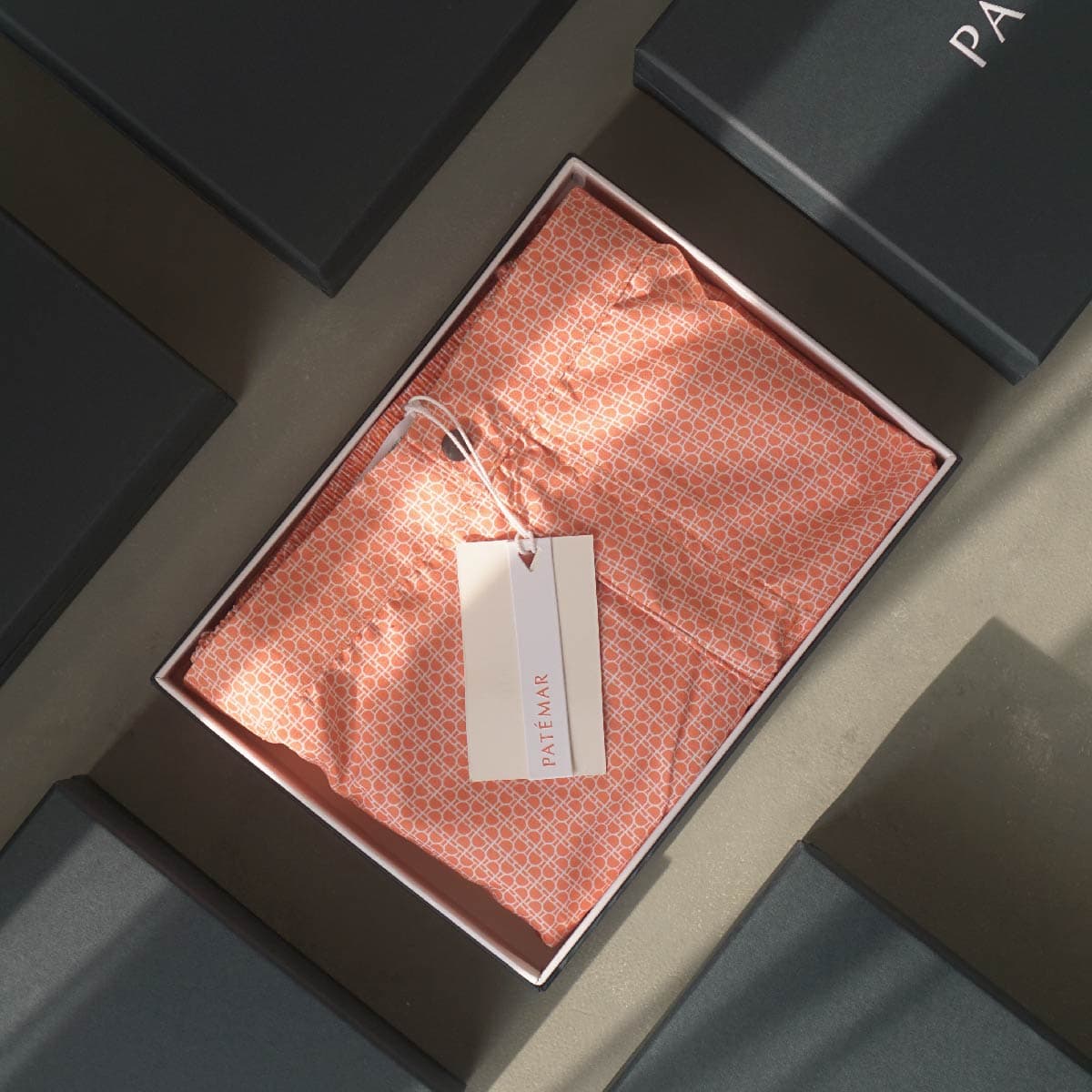
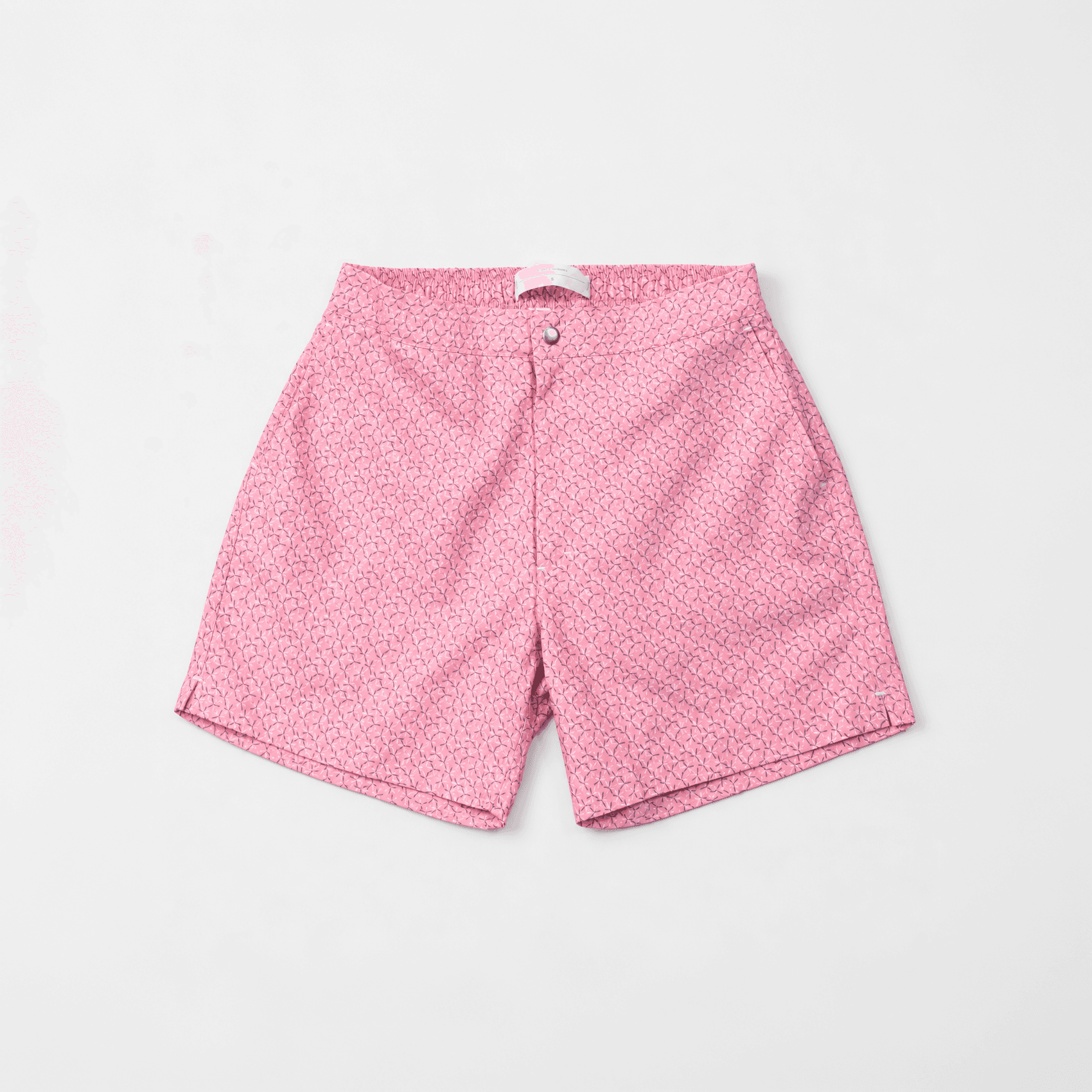
Every pair of Patémar swim shorts starts with recycled plastic waste. Around 12 plastic bottles are used to make a single pair of shorts, giving material that might otherwise end up in the environment a new purpose.
Patémar takes a tailored, hands-on approach to swimwear, with a meticulous and labor-intensive production process focused on fit, proportions, comfort, and detail. The result is swimwear designed not only to make use of recycled materials, but also to be worn, enjoyed, and kept for longer.
From a 12-minute use cycle to a product designed for repeated wear, Rudy rethinks how waste can be reused and revalued. By turning discarded plastic into thoughtfully designed swimwear, he shows that products made with sustainability in mind can also be functional, desirable, and built for everyday life by the sea.