Making Space for Materials with a Past
From solid panels to handwoven seats, recycled plastic takes on another character through Indonesian craftsmanship.

Furniture is often among the first things that gives a space its character. A woven chair beside a café window, a sofa in an office lounge, a seat pulled closer when someone joins the conversation. These objects become part of how people use a room. Their materials, meanwhile, can hold a story that began somewhere quite different.
For some pieces, that story starts with discarded household plastic collected from landfills, rivers and beaches in Java. At Indonesian recycling firm Robries, the waste is repurposed into solid plastic panels. The material then passes into the hands of furniture makers, who work it into objects with another use ahead of them.
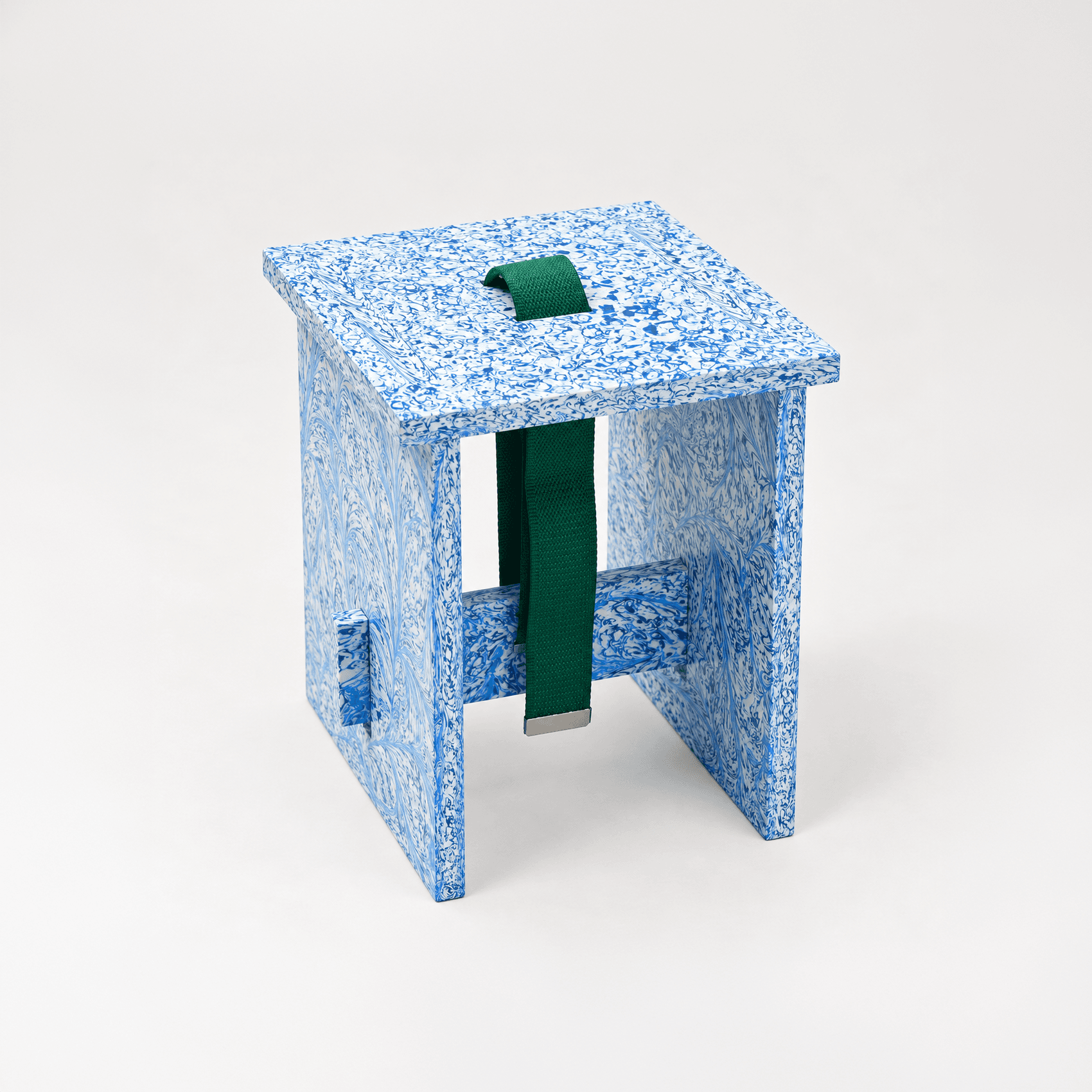
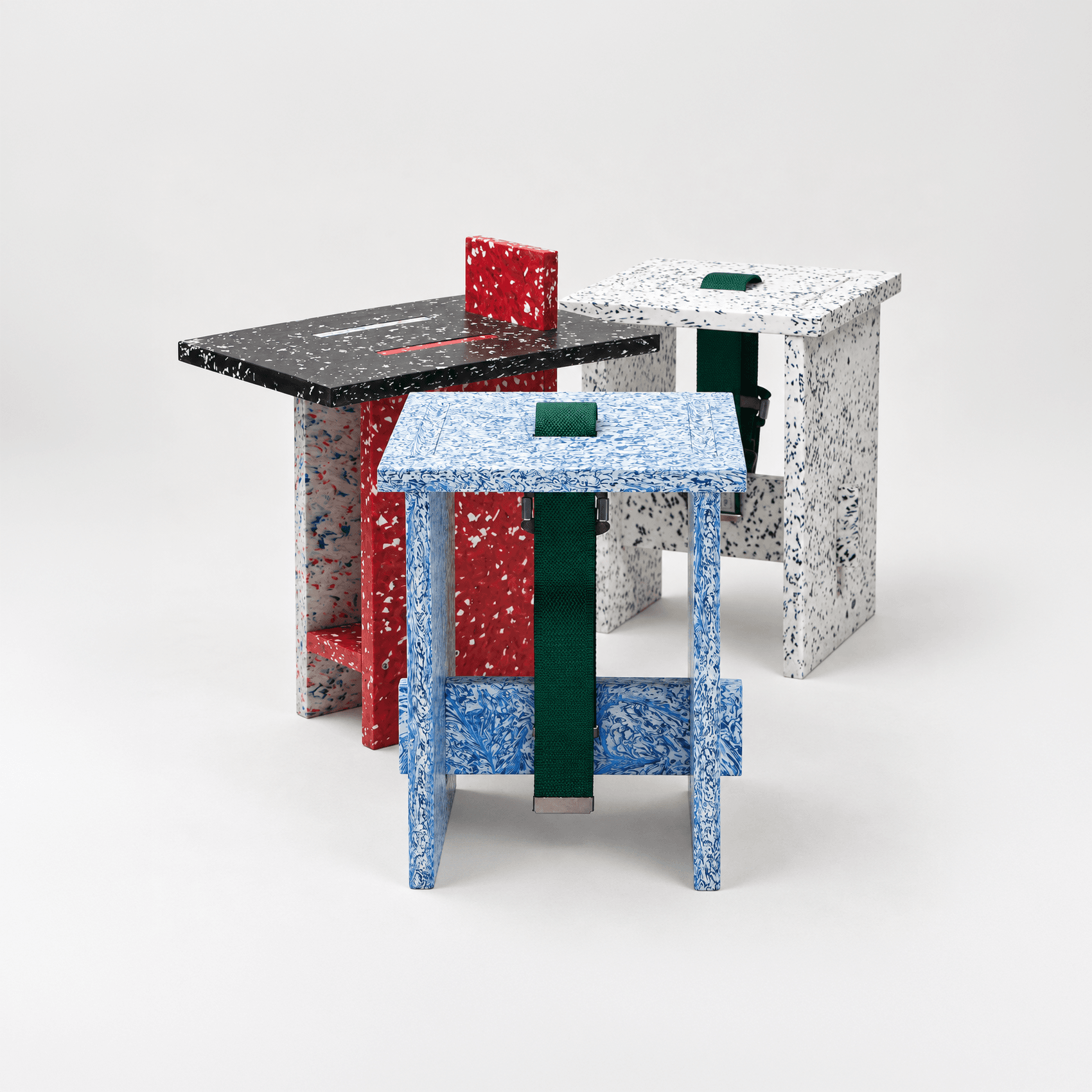
The Peggy Chair follows this route. Developed in collaboration with DJ and producer Peggy Gou, the project brings together Robries’ recycled plastic and the work of Avalon Carpenter and the artisans of Kalpataru, a family-run studio in Bali. Gou’s interest in records and chairs informed the idea, giving the recovered material a place within the everyday rituals of listening and sitting.
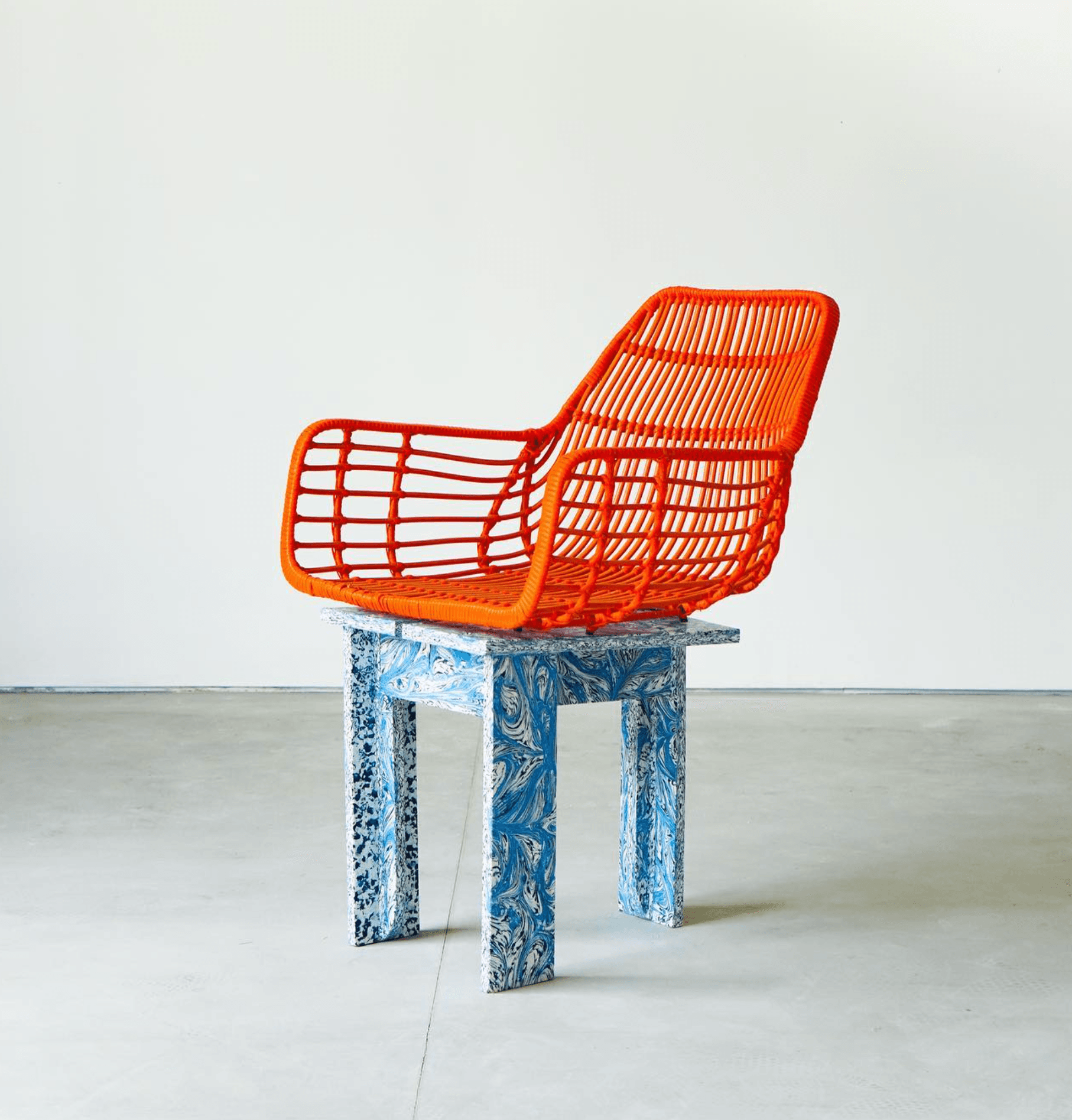
Plastic takes a different form in the work of Balinese master weaver Nano Uhero. Recycled industrial plastic rope is woven by hand over rattan frames, building up chairs whose shapes and patterns vary from piece to piece. The approach extends to a sofa, with rope produced in Java worked over a wood-and-rattan frame in Bali. The material may come from industry, but the finished surface carries the irregularities of handwork.
There is a wider local context to these material choices. A World Bank study published in 2021 estimated that Indonesia improperly managed around 4.9 million tonnes of plastic waste annually. Against that scale, a chair is a modest object. It does, however, make one possibility easy to see: recovered plastic becoming something useful enough to keep using.

Placed in a café, an office reception or a shared studio, such furniture can contribute as much through its texture and form as through its material history. A woven seat gives a corner a different rhythm; a sofa makes room for people to gather. Over time, the piece finds its place through these ordinary encounters.
Space Available brings these collaborations together through furniture crafted in Bali. The studio reports 6,320 recycled bottle caps per Peggy Chair, a concrete figure behind an object made for daily use. Across its panel-built and woven pieces, materials with a past find room in the spaces where people work, meet and spend time.