A Familiar Crunch, Made from Tempe
With its savoury bite and soybean base, tempe chips offer an appealing alternative to the usual packet of potato chips.
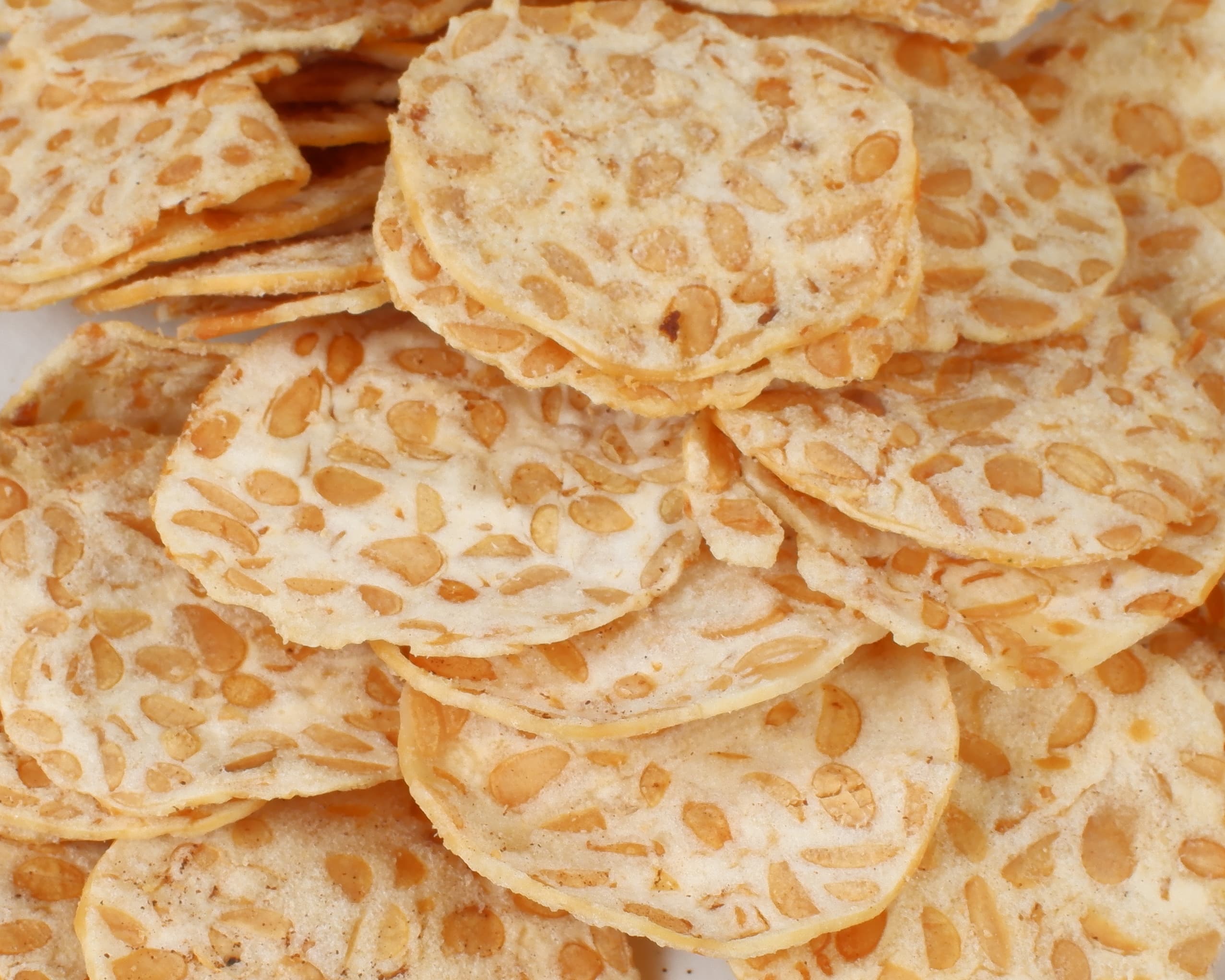
Some snacks settle easily into the everyday: a small bowl beside a laptop, a packet passed around during a film, something to reach for while waiting for dinner. Potato chips have long occupied that space. But for those who grew up eating tempe, another familiar ingredient makes an equally convincing companion.
Known locally as keripik tempe, this snack of Indonesian origin brings a different character to the handful. Thin slices reveal the pattern of soybeans beneath their seasoning, while tempe’s mild, nutty flavour gives the crunch a savoury depth. It is an ingredient already at home on the Indonesian table, taking a form that travels easily from the dining room to the desk.
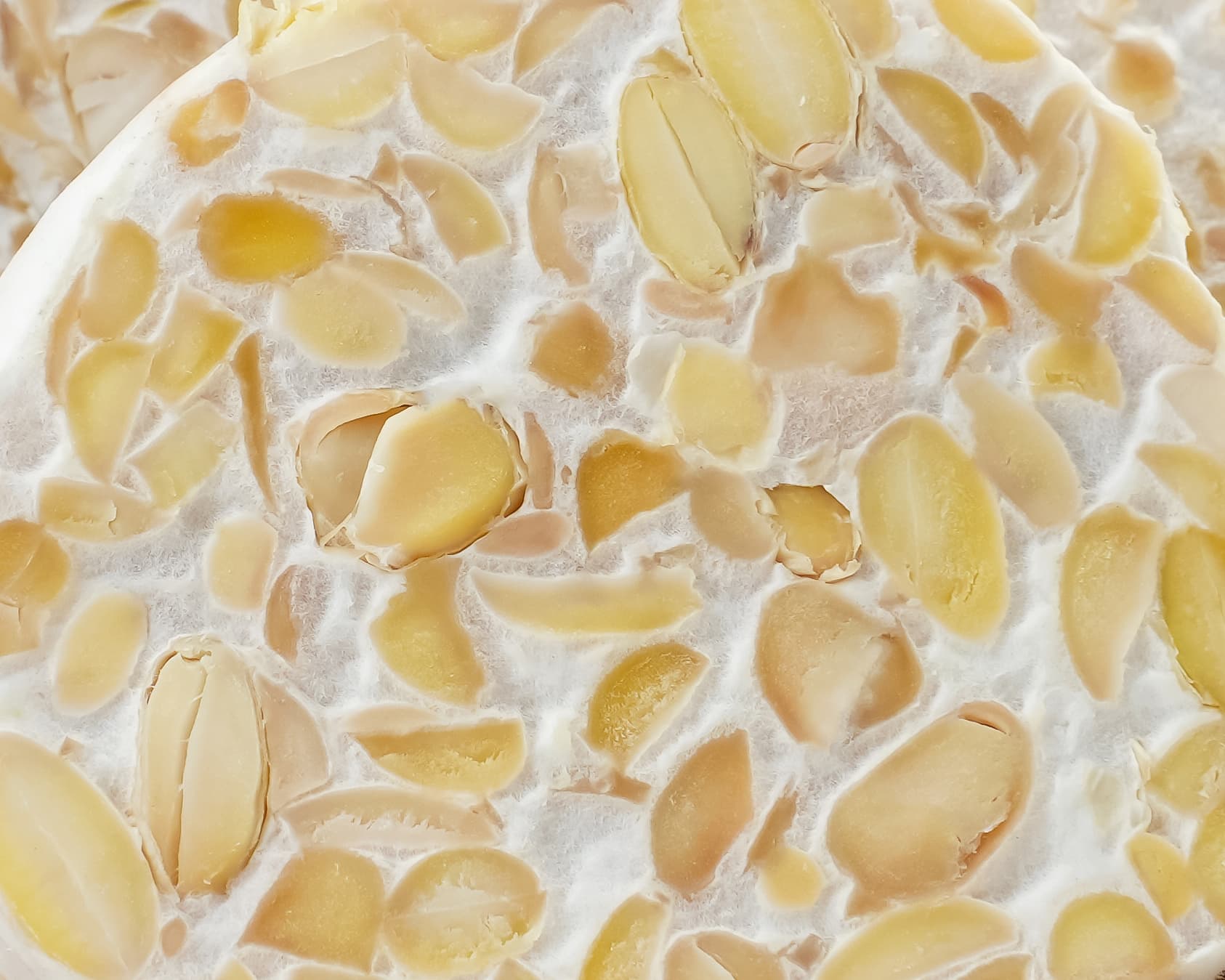
Beyond that familiarity, there is a nutritional reason to consider the switch. The Ministry of Health’s Tabel Komposisi Pangan Indonesia 2017 lists 12.1 grams of protein per 100 grams for its general tempe chip entry, compared with 2.7 grams for potato chips. Between these reference entries, that is roughly four and a half times as much protein for the same weight. The figures draw on older food composition data, but give the protein comparison a local basis. TKPI, pages 16 and 23
An Indonesian study offers another perspective. Published in AcTion: Aceh Nutrition Journal in 2019, research by Poltekkes Kemenkes Bengkulu examined three preparations of onion-flavoured tempe chips. All three recorded 10.7% protein, equivalent to 10.7 grams per 100 grams. Together, these sources show how tempe can contribute plant protein in a convenient snack, with the amount depending on the finished product. AcTion: Aceh Nutrition Journal
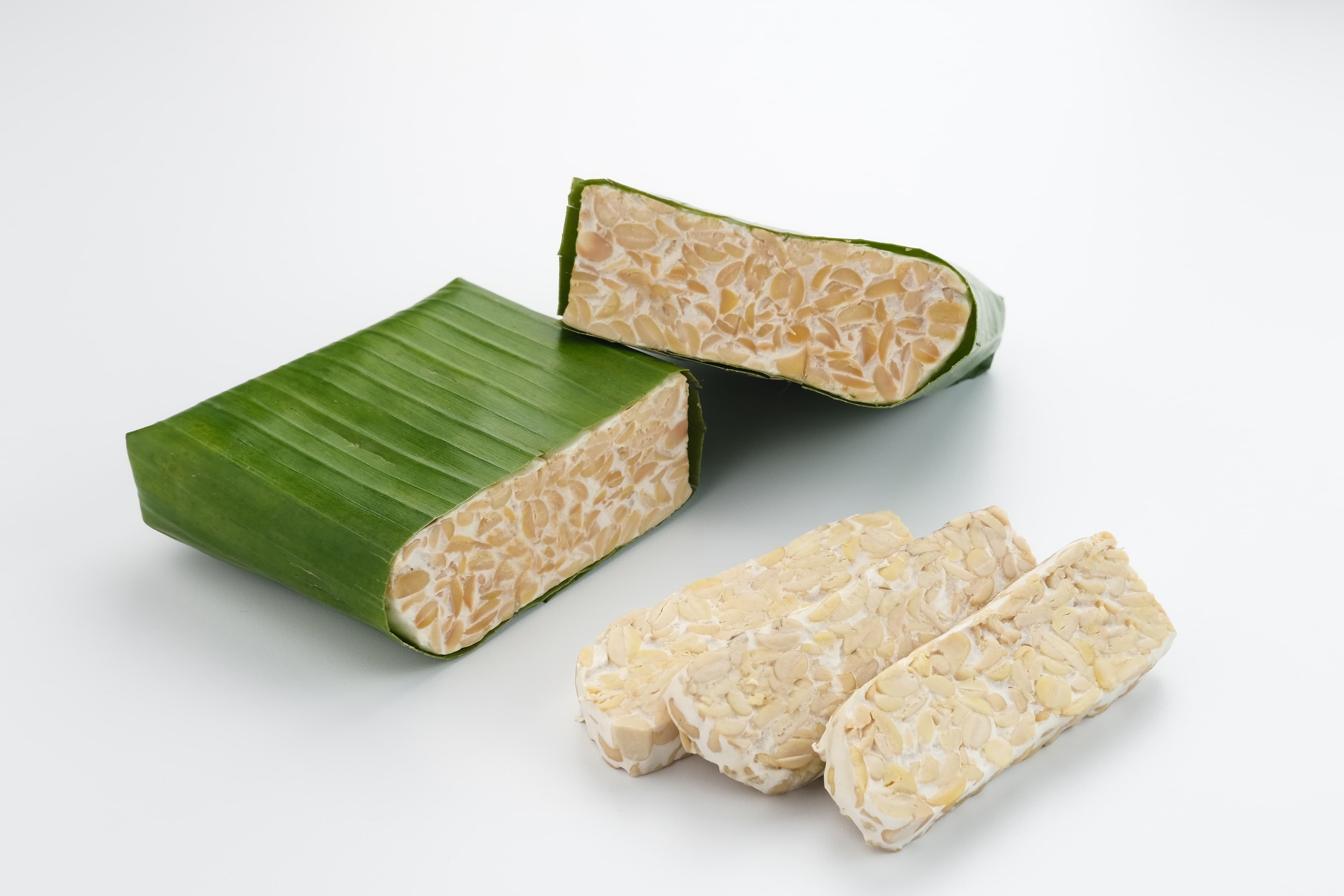
Of course, the recipe still matters. TKPI’s tempe chip entry also contains more fat and calories than its potato chip entry: 40.6 grams of fat and 581 calories per 100 grams, compared with 18.8 grams and 448 calories. The appeal therefore rests on its protein contribution and familiar flavour; choosing a packet still involves looking at preparation, portion size and the nutrition label. These general reference values will differ from those of individual brands. TKPI
For everyday snacking, the change can be a small one. Tempe chips fit into the same afternoon breaks and gatherings around a coffee table, bringing a recognisable Indonesian ingredient into the routine. Their crisp texture makes the substitution easy to imagine, while the soybean base gives it a useful nutritional purpose.
Green Rebel’s Original Tempe Chips offer a baked take on this familiar snack. Made with locally sourced non-GMO soybeans and described by the brand as a source of protein and fibre, they fit easily into an afternoon break or a bowl shared with friends. Green Rebel