Waste Takes a Wearable Form
Swim shorts made from recycled plastic bring a different material story to a familiar holiday essential.
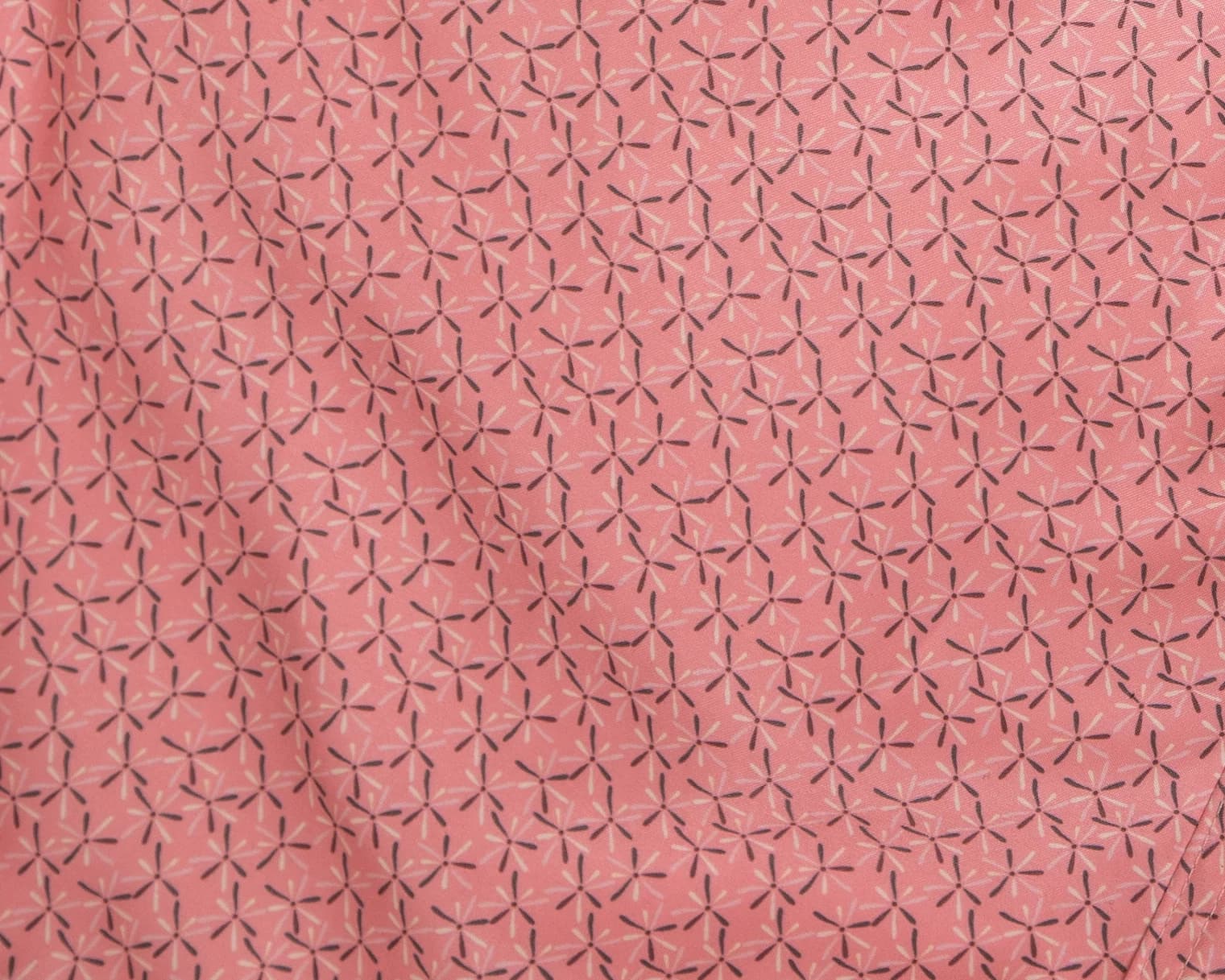
A day by the water rarely stays in the water. There is lunch after a swim, a walk along the beach, perhaps somewhere to stop before heading home. A good pair of shorts fits easily into those changes of pace. Alongside the cut and colour, however, another detail deserves attention: where the fabric began.
Recycled polyester gives existing plastic another use. Plastic waste can be sorted, reduced to flakes, heated and processed into fibres, which then become fabric. The connection is closer than it might first appear: PET, the material commonly used in plastic bottles, is also used to make polyester textiles. Material process
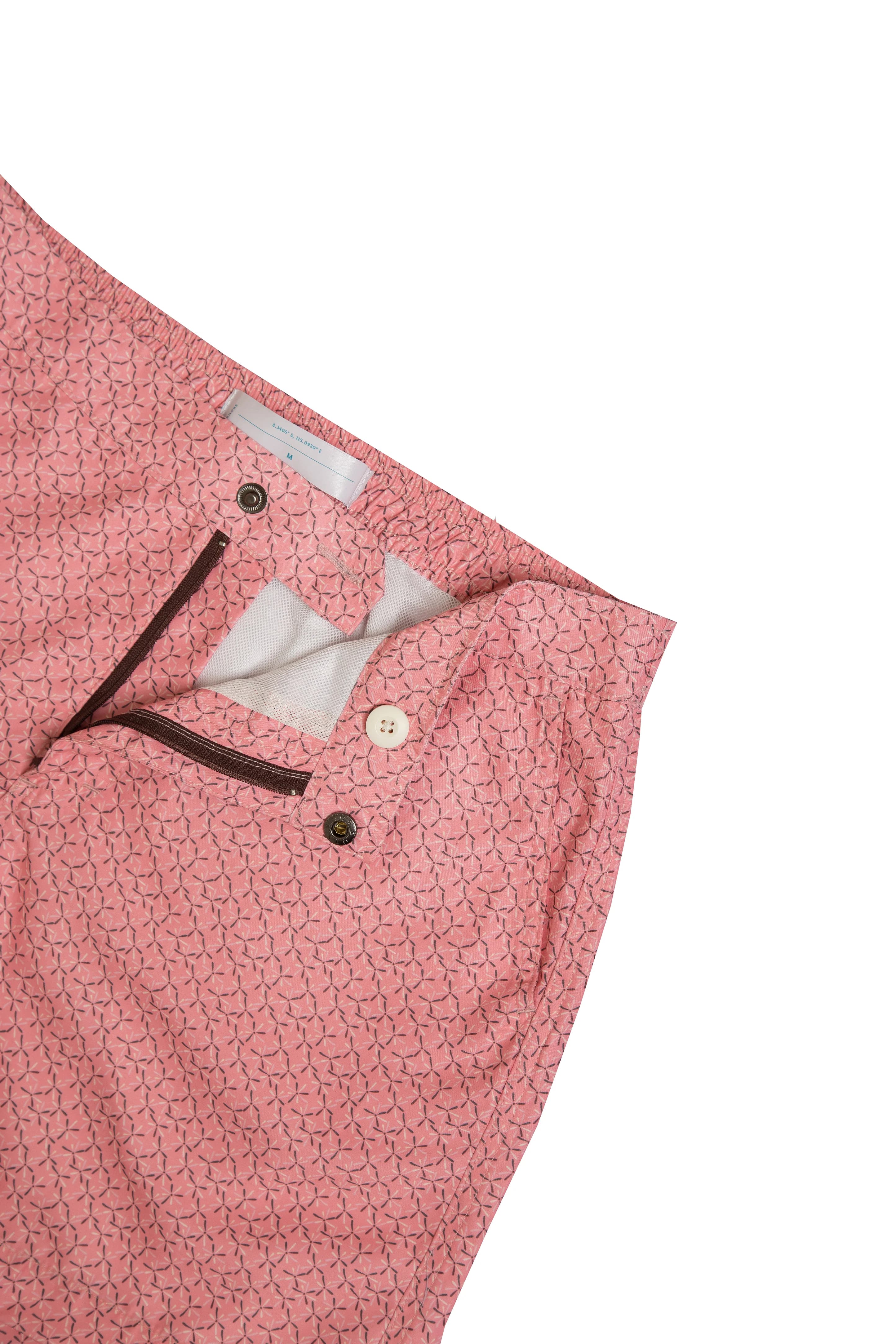
In Indonesia, that material story has a particular relevance. A World Bank study published in 2021 estimated that the country generated approximately 7.8 million tonnes of plastic waste annually. It also estimated that around 346,500 tonnes entered the marine environment from land each year. Those findings give some context to the bottles and packaging that can travel far beyond the places where they were discarded. World Bank study
Using recycled plastic in clothing offers a way to draw on material already in circulation, reducing the need for new fossil-based polyester inputs. The fabric also belongs naturally in swimwear: Textile Exchange describes polyester as strong, durable and quick to dry, qualities that suit the movement between a swim and the rest of the afternoon. Textile Exchange
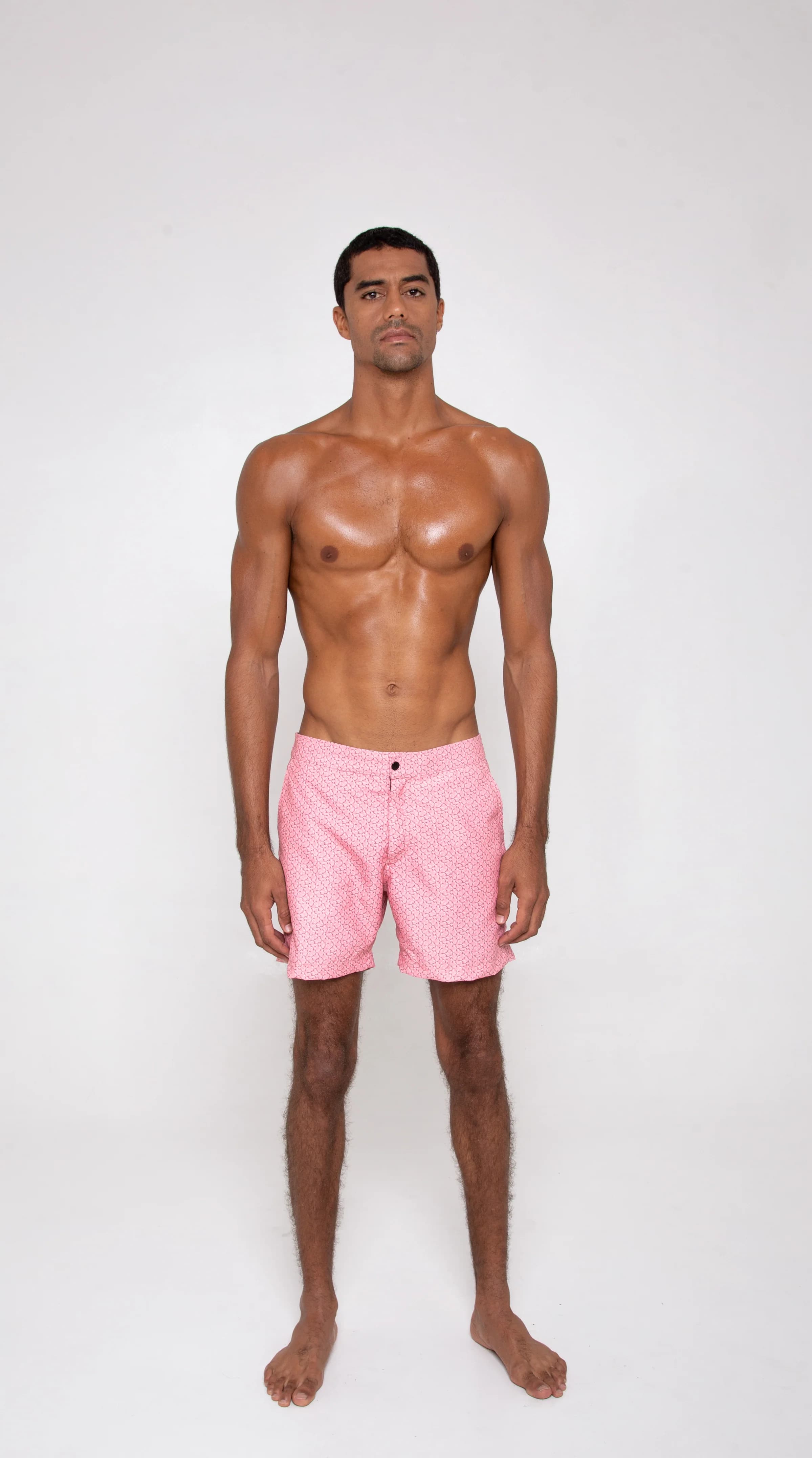
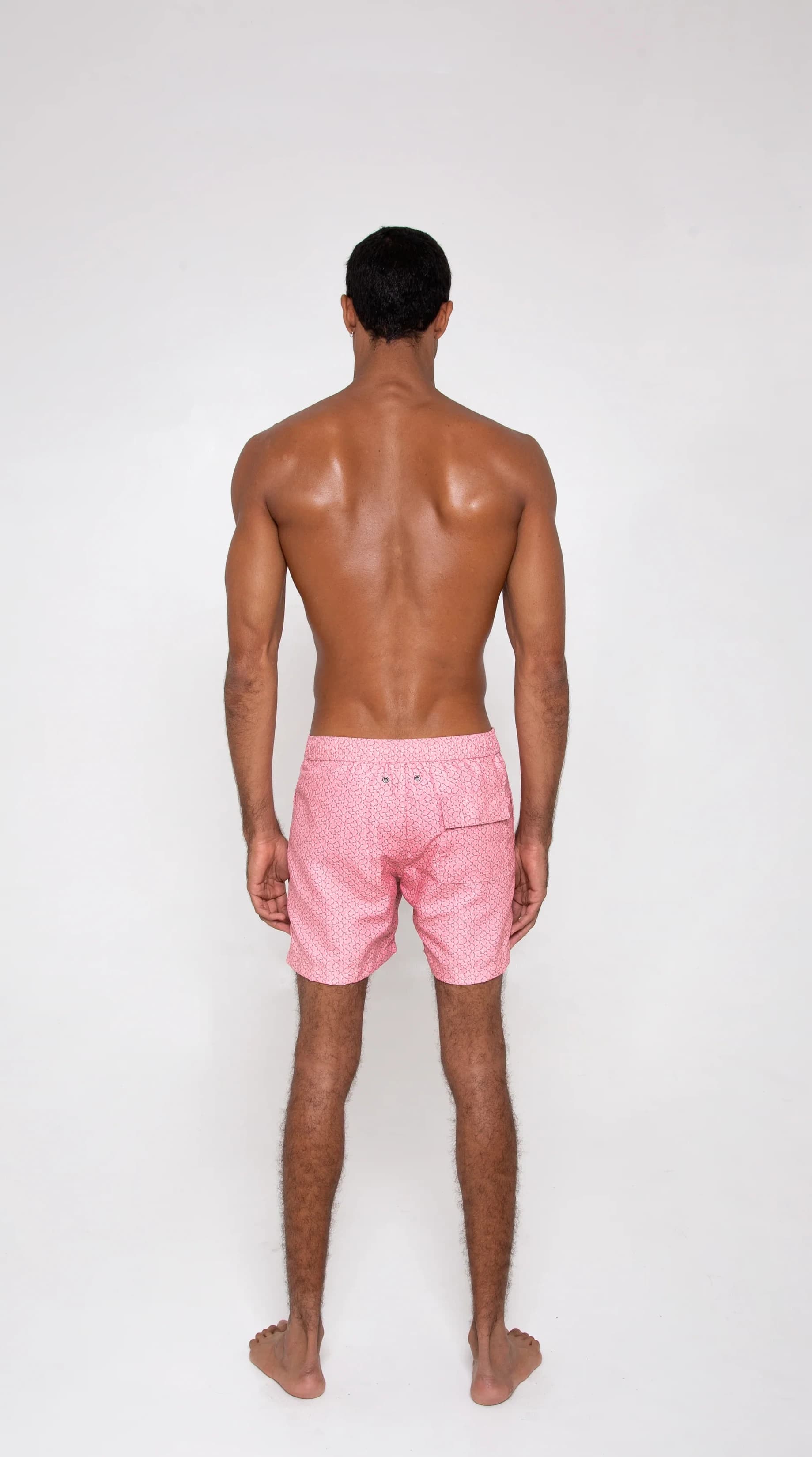
The material’s next life deserves consideration, too. Recycled content describes where the fabric comes from; recycling the finished garment depends on the systems available to collect and process it. Textile Exchange identifies improving textile-to-textile recycling as an ongoing priority. Alongside the choice of fabric, there remains the everyday value of choosing a pair that will be worn again. Textile Exchange
Patémar brings this approach to swim shorts handmade in Bali, with fabric listed as 100% quick-drying recycled polyester. The brand estimates that each pair uses salvaged plastic waste equivalent to approximately 12 bottles. It is a tangible detail to carry into an otherwise uncomplicated day by the water. Patémar shorts, Materials